
A Guide to Smart Snowbirding
Mitch Stolba
July 25, 2025
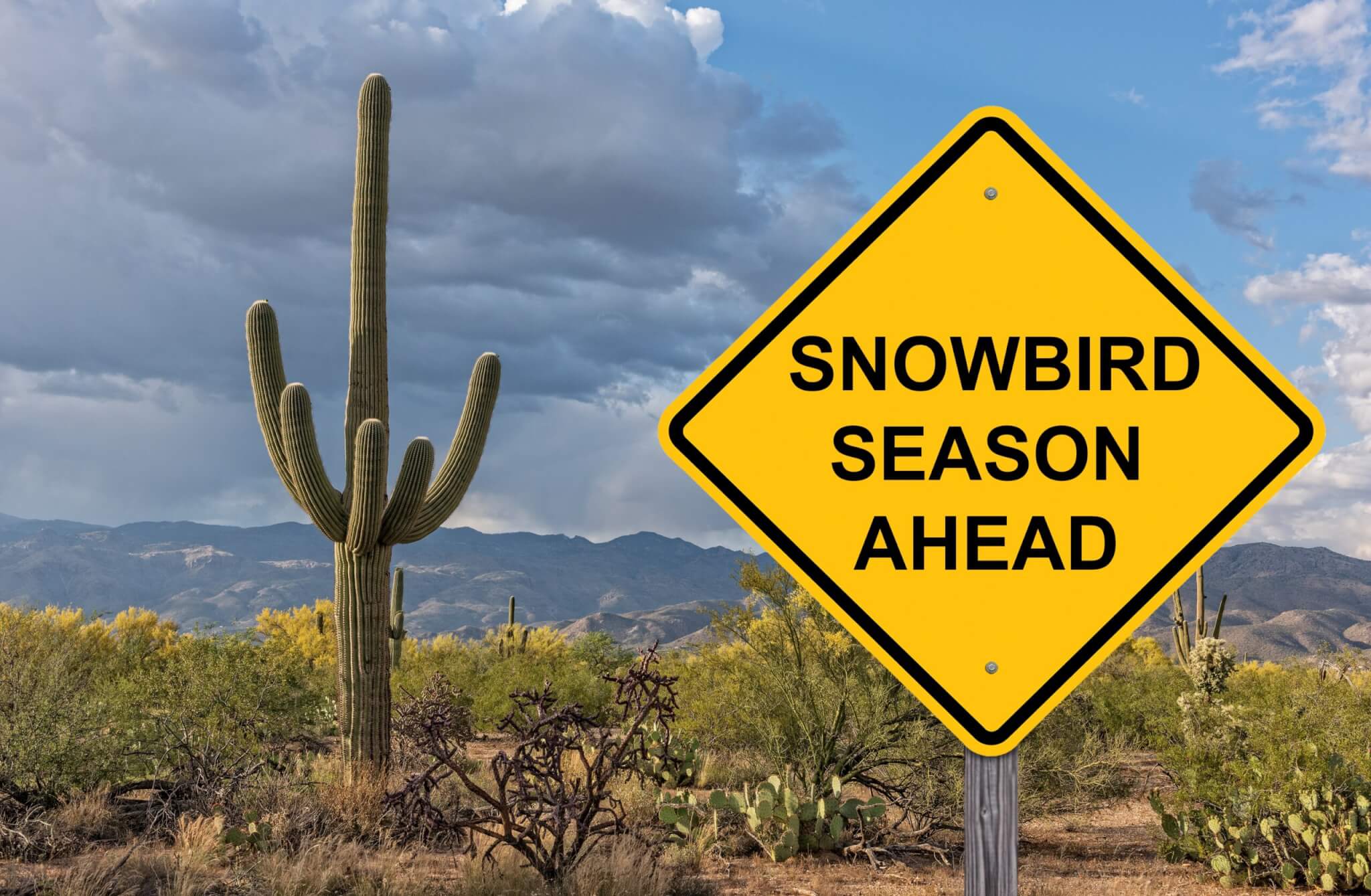
Trading Snow Boots for Sandals
Tired of scraping ice off your windshield? You’re not alone.
Every year, more Americans are swapping snowy sidewalks for sunny beaches during the winter months. But making a seasonal move south isn’t as simple as booking a one-way ticket. There are key financial, legal, and logistical details to plan for before you pack your bags.
Here’s how to prepare for snowbirding the smart way—with a strategy that supports your long-term goals.
Financial Considerations Before You Head South
Tax Planning & Residency Rules
One of the biggest financial benefits of snowbirding can be establishing residency in a no-income-tax state like Florida or Texas. But residency laws are strict, especially in high-tax states like Minnesota, New York, and Illinois.
Simply spending more than 183 days a year in another state isn’t enough. You also need to prove that you’ve changed your domicile—your permanent home. That might include updating your driver’s license, registering to vote, moving your financial accounts, revising your estate plan, and more.
Failing to properly document this change can lead to double taxation or legal challenges. A trusted professional can help ensure your residency status is clear and compliant.
Budgeting for a Dual Lifestyle
Owning or renting two homes comes with added costs. You’ll need to budget for:
- Housing expenses and property taxes
- Utilities and regular maintenance
- Travel between homes
- Vehicle transportation or purchases
- Insurance for multiple residences
Even for those with significant wealth, it’s worth assessing the long-term sustainability of this lifestyle. Will you eventually sell your northern home? Are you planning to pass properties on to your children? These are important questions to answer within your overall financial plan.
Healthcare Access
Your health coverage needs to follow you across state lines. If you’re on Medicare or a private insurance plan, check whether providers in your winter destination are included in your network.
Also, think about proximity to hospitals and specialists, especially if you have ongoing medical needs. Access to quality care should be a key factor in choosing your snowbird location.
Rent or Buy? Making the Right Housing Move
One of the key decisions snowbirds face is whether to rent or purchase a second home.
Renting: Try Before You Buy
Renting offers flexibility with less financial commitment. It’s a great way to “test drive” the snowbird lifestyle without taking on the full responsibilities of homeownership. You’ll also avoid property maintenance and market risk. Short-term leases and vacation rentals also make it easier to explore different locations and find the right fit before settling down.
Buying: Build Equity and Put Down Roots
Purchasing a second home can offer stability, privacy, and potential appreciation. If you plan to spend a significant portion of the year in your winter location—or retire there eventually—it might be a smart investment.
Before buying, be sure to factor in:
- Local property taxes and insurance (especially in hurricane zones)
- Whether you’ll rent out the property when you’re away
- Long-term maintenance, security, and HOA fees
A good rule of thumb? Rent in your preferred area for at least one season before committing to a purchase.
Business Considerations for Snowbird Entrepreneurs
If you own a business, snowbirding adds another layer of planning—but also opportunity.
Leading Remotely
Can your business run smoothly while you’re in another state? Thanks to modern technology, many business owners can lead from afar. Still, it requires careful planning. Ensure your leadership team, systems, and communication tools are strong enough to support your physical absence.
Understand Business Tax Exposure
Some states may attempt to tax your business income if you’re working—even part-time—from within their borders. Speak with a tax professional to understand any potential exposure and how to protect your income.
You’ll also want to ensure your business stays compliant in your home state, including payroll, licensing, and having a registered agent if required.
How to Start Preparing Now
If you’re dreaming of warm winters, start preparing early. Here are a few smart steps to take in the next 6 to 12 months:
1. Consult a Financial Advisor
Work with an advisor who understands cross-state financial planning. They can help you with tax planning, model your cash flow, and align your snowbird plans with your long-term goals.
2. Track Your Time in Each State
Start keeping a detailed log of where you spend each day. This record can be critical if your residency ever comes into question or if you’re audited.
3. Explore Housing Markets
Research potential locations based on your lifestyle. Look into local real estate trends, seasonal lease availability, and neighborhood amenities. A real estate advisor familiar with snowbird clients can offer valuable insight.
4. Try It Out First
Before making a major investment, spend a winter season renting in your top destination. This helps you get a feel for the area and decide if the lifestyle truly suits you.
Make Warm Winters Part of Your Financial Plan
The snowbird lifestyle is more than a winter escape—it’s a strategic way to enjoy your wealth, freedom, and flexibility. But like any meaningful life change, it requires thoughtful preparation.
With a well-built financial plan and the right guidance, snowbirding doesn’t have to be overwhelming. Let’s work together to make your winters warmer—and your future brighter.
This information is not intended to be a substitute for specific individualized tax advice. Great Valley Advisor Group and LPL Financial do not provide tax advice or services. We suggest that you discuss your specific tax issues with a qualified tax advisor.